
Energy And PSU Sector: Earnings, Policy, and Capital Flows

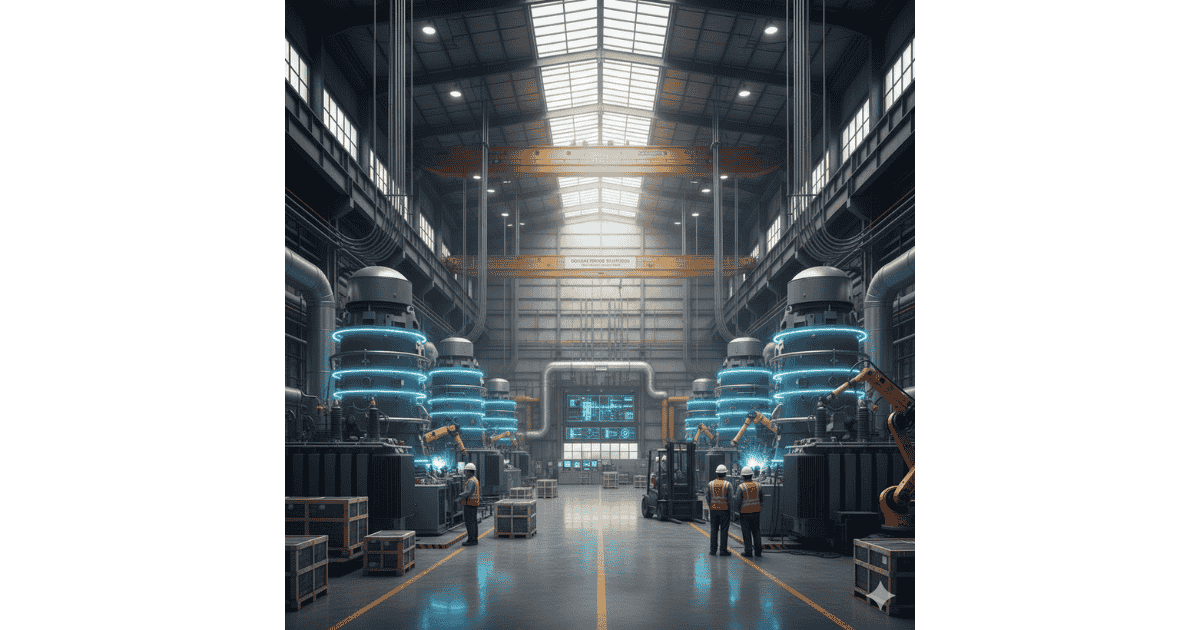
India’s energy and public sector (PSU) companies sit at the intersection of commodity cycles, government policy, capital expenditure, and dividend flows. The sector includes upstream oil producers, downstream refiners, power generators, transmission utilities, and coal companies—each influenced by different drivers but linked through fiscal policy, energy demand, and state ownership priorities.
In recent years, the PSU energy space has attracted strong institutional flows due to elevated dividend yields, improving balance sheets, and government-led capex cycles. Budget allocations, fuel pricing policies, and global commodity movements continue to shape earnings visibility and valuation multiples across the sector.
Sector: Energy & PSU
Key Sub-segments: Oil & Gas, Power, Coal, Transmission
Primary Drivers: Commodity prices, government policy, dividend payouts, capex cycles
Table of Contents
- Sector Structure: Oil, Gas, Power, and Coal
- How PSU Energy Companies Make Money
- Key Earnings Drivers Across the Sector
- Policy and Government Influence
- Dividend Yield and Institutional Capital Flows
- Valuation Cycles in PSU Energy Stocks
- Recent Earnings Trends
- Risks to the Sector Outlook
- Capital-Flow Outlook
- Outlook for FY26–FY27
Sector Structure: Oil, Gas, Power, and Coal
The Energy & PSU sector in India spans multiple strategic industries:
- Upstream oil & gas:
Exploration and production companies - Downstream refining & marketing:
Fuel refining and distribution - Power generation:
Thermal, hydro, and renewable assets - Transmission utilities:
National power grid infrastructure - Coal mining:
Domestic fuel supply for thermal power plants
Most companies in these segments are majority-owned by the government, which directly influences pricing, dividends, and capital allocation decisions.
How PSU Energy Companies Make Money
Upstream Oil & Gas
Upstream companies generate revenue by selling crude oil and natural gas produced from domestic and international fields. Their earnings are largely linked to global crude prices and domestic gas pricing formulas.
Downstream Refiners
Refining and marketing companies earn margins from:
- Crack spreads (difference between crude input cost and fuel output prices)
- Petrol and diesel marketing margins
- Inventory gains or losses
Power Generation Companies
PSU power producers operate under regulated or long-term power purchase agreements (PPAs), providing predictable revenue streams. Earnings depend on:
- Plant load factors
- Fuel costs
- Capacity additions
Transmission Utilities
Transmission companies earn regulated returns on invested capital. Their revenues are tied to:
- New transmission projects
- Regulatory tariffs
- Grid expansion programs
Coal Producers
Coal PSUs generate earnings based on:
- Production volumes
- Coal price realizations
- Domestic demand from thermal power plants
Key Earnings Drivers Across the Sector
1. Global Commodity Prices
Crude oil and gas prices directly influence upstream earnings, while downstream refiners benefit from stable or widening refining margins.
2. Domestic Energy Demand
Industrial activity, infrastructure growth, and electricity demand drive coal and power sector earnings.
3. Capex Cycles
Government-led infrastructure spending increases power demand, transmission expansion, and energy consumption.
4. Exchange Rates
A weaker rupee increases crude import costs, impacting downstream margins.
Policy and Government Influence
Unlike private-sector companies, PSU energy firms are closely tied to fiscal and political objectives.
Key Policy Factors
- Fuel pricing controls
- Subsidy burdens
- Dividend payout expectations
- Strategic capex mandates
Budget announcements often determine:
- Capex targets for power and energy infrastructure
- Disinvestment plans
- Dividend expectations from PSUs
Energy And PSU Sector: Dividend Yield and Institutional Capital Flows
PSU energy companies are among the highest dividend yield stocks in the Indian market. Institutional investors often allocate capital to the sector during:
- Rising interest rate environments
- Commodity upcycles
- Government capex cycles
High dividend payouts create a defensive capital-flow theme, particularly when growth sectors face valuation pressure.
Energy And PSU Sector: Valuation Cycles in PSU Energy Stocks
The sector has historically traded at discounted valuations due to:
- Government ownership risks
- Pricing controls
- Policy uncertainty
However, valuation rerating cycles occur when:
- Commodity prices rise
- Balance sheets improve
- Dividend yields become attractive
- Government reforms increase transparency
Recent Earnings Trends
Recent quarterly earnings across PSU energy companies have shown:
- Stable refining margins
- Improving power demand
- Strong coal production growth
- Healthy dividend payouts
Key earnings anchors in the sector include:
Risks to the Sector Outlook
1. Commodity Price Volatility
Sharp declines in crude prices can reduce upstream profits, while spikes may compress downstream margins.
2. Government Policy Interventions
Fuel price controls or subsidy burdens can impact profitability.
3. Capex Execution Risks
Delays in power or transmission projects may affect earnings visibility.
4. Energy Transition Pressures
Global decarbonization trends could impact long-term demand for fossil fuels.
Capital-Flow Outlook
Institutional capital flows into PSU energy stocks typically follow three major themes:
- Dividend yield cycles
- Commodity price uptrends
- Government infrastructure spending
As interest rates and global commodity trends shift, capital allocation between growth sectors and high-yield PSU stocks tends to rotate accordingly.
Outlook for FY26–FY27
The medium-term outlook for the Energy & PSU sector will depend on:
- Global crude price stability
- Domestic power demand growth
- Government capex plans
- Dividend policies across major PSUs
With strong balance sheets, high dividend yields, and continued infrastructure spending, the sector remains a key component of institutional portfolios focused on income and cyclicality.
Internal Links
External Sources
About The Author